
- All
- Product Name
- Product Keyword
- Product Model
- Product Summary
- Product Description
- Multi Field Search
 English
Views: 0 Author: Site Editor Publish Time: 2026-07-18 Origin: Site


Choosing the right floor accessory often involves a frustrating trade-off. Buyers frequently struggle to balance aesthetic appeal, ergonomic support, and practical spill management. You might find a beautiful design, but it lacks the necessary cushioning for long cooking sessions. We see this compromise happen constantly in modern homes.
The cost of a poor decision goes far beyond mere physical discomfort. Curling edges and slippery backings create serious safety risks. Trapped moisture accelerates structural degradation and breeds harmful bacteria. Ultimately, you waste money on products failing or compressing within a few short months.
This article provides an evidence-based framework for evaluating different options. We will explore how heavy-duty cooking needs dictate specific material choices. You will learn how maintenance realities and unique household environments impact product longevity. By the end, you can confidently select the perfect functional solution for your exact workspace.
Not all kitchen mats serve the same purpose; "spill zones" (sinks) require an absorbent kitchen mat, while "prep zones" (islands, stoves) require dense, anti-fatigue support.
The safest mats feature continuous, one-piece construction with a minimum 20-degree beveled edge to mitigate trip hazards and accommodate robot vacuums.
Avoid PVC and cheap memory foam; opt for high-density polyurethane, natural rubber, or machine washable microfiber depending on your primary use case.
Material compliance matters: prioritize mats free from harmful phthalates and high-VOC off-gassing, especially in poorly ventilated kitchens.
We must divide the cooking space into distinct functional zones. The sink and dishwasher area creates a high-risk spill zone. Water frequently pools on the hard floor here. Grease splatters outward during heavy cleanup sessions. These wet conditions cause severe slip-and-fall incidents. In this specific zone, you must prioritize rapid moisture control and maximum surface traction.
Conversely, the prep and cooking zone poses an entirely different physical challenge. Standing chops vegetables or monitoring hot stoves leads to rapid lower back fatigue. Joint pain quickly ruins an otherwise enjoyable culinary experience. For these active areas, structural density and bounce-back rebound become essential. You need materials actively absorbing your body weight.
Many buyers fall for the persistent one-size-fits-all myth. They believe a single product can master deep cushioning and high liquid absorbency simultaneously. This expectation rarely matches reality. A thick, closed-cell foam core naturally resists water absorption completely. A highly porous, woven fabric offers terrible ergonomic support. You must prioritize your specific operational need. Frame your purchase decision clearly. Choose either an anti-fatigue wipe-clean surface or a dedicated washable moisture barrier.
Pros: They deliver excellent long-term rebound. High-density polyurethane does not bottom out under intense heel pressure. You also gain effortless wipe-clean convenience.
Cons: They offer zero liquid absorbency. Spilled liquids simply pool on top of them. They also demand a significantly higher upfront purchase cost.
Best for: Serious home cooks standing for over an hour. They suit households prioritizing long-term joint health perfectly.
Pros: These fabrics are highly effective as an Absorbent Kitchen Mat. They trap rogue splashes instantly. Furthermore, they generally act as excellent Machine Washable Kitchen Floor Mats.
Cons: They provide negligible ergonomic support. You must launder them frequently to maintain hygiene. If not dried properly, they quickly develop and hold foul odors.
Best for: Sink-side splash zones. They remain ideal for homes keeping active pets or young children, where frequent accidental spills are inevitable.
You face significant implementation risks choosing cheap memory foam. We must understand the concept of "compression set." Low-density foams flatten permanently within a few short weeks. They lose their cellular structure entirely. This failure creates dangerously uneven standing surfaces. Furthermore, their inherent vulnerability causes issues. They easily suffer punctures from dropped steak knives or sharp pet claws.
Material Category | Ergonomic Rebound | Liquid Control | Puncture Resistance |
|---|---|---|---|
Polyurethane (PU) | Excellent | Repels completely | High |
Microfiber/Cotton | Poor | Absorbs instantly | Medium |
Memory Foam (Cheap) | Fails quickly | Absorbs poorly | Very Low |
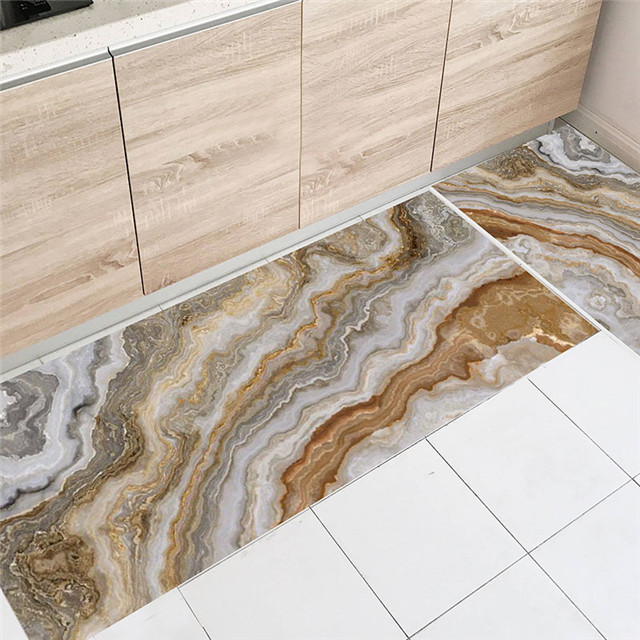
Analyzing backing materials reveals crucial safety differences. Natural rubber provides superior grip mechanics. It remains completely safe for expensive hardwood floors. Conversely, cheap plastics slide easily across smooth surfaces. They often chemically discolor vinyl or laminate floors permanently. You must also consider the danger of water seeping underneath. Liquid trapping destroys the friction coefficient entirely, turning the floor into an ice rink.
Industry standards mandate a 20-degree gradual beveled edge for commercial kitchens. This specific slope prevents accidental tripping during fast-paced movement. It transitions the foot smoothly onto the elevated surface. We strongly warn against stitched or glued fabric borders. These separate pieces inevitably fail. They curl upward aggressively after repeated daily use or machine washing.
Modern households require a smart home reality test. You must assess robot vacuum clearance carefully. Mats measuring over 3/4-inch thick trap robotic vacuums constantly if they lack proper beveled edges. Furthermore, conduct a scratch-resistance evaluation. Households keeping energetic cats and large dogs need tough topcoats. Flimsy materials tear quickly under their sharp claws.
Consumers frequently notice a strong chemical smell unrolling new synthetic products. We call this process off-gassing. Some minor odors fade harmlessly within 48 hours in well-ventilated rooms. However, persistent chemical smells indicate hazardous volatile organic compounds (VOCs). Prolonged exposure to high VOC levels triggers headaches and respiratory irritation. You should unroll highly synthetic items in a garage first.
Manufacturers use PVC extensively because it costs very little. Discussing PVC requires examining phthalates. Factories use these plasticizers to make rigid plastics flexible. Medical research associates phthalates strongly with endocrine disruption. These chemicals pose significant health and environmental concerns. Poorly ventilated kitchens trap these invisible toxins indoors permanently.
Always verify credible environmental certifications before purchasing. Look specifically for the Oeko-Tex Standard 100 label. It guarantees the textile contains no harmful substances. Greenguard Gold certification verifies exceptionally low chemical emissions. Prop 65 compliance indicates safety regarding known carcinogens. You can find safer material alternatives easily today. Prioritize 100% natural vulcanized rubber. Seek out eco-friendly polyurethane blends. Explore organic cotton variants for your washing needs.
Daily upkeep differs drastically from periodic deep cleaning. The reality of cleaning highly textured surfaces surprises many buyers. Deep faux-leather grains trap spilled flour instantly. Dirt and pet hair cling tightly to intricate decorative patterns. You must scrub them vigorously. Smooth finishes, conversely, allow quick, effortless wipe-downs. They streamline your post-dinner cleanup routine beautifully.
Following strict guidelines preserves your textiles. When washing them, respect the manufacturer temperature limits strictly. Hot water melts synthetic rubber backings quickly. Avoid pouring fabric softeners into the machine completely. Softeners coat the fibers, stripping their natural absorbency immediately. You must embrace the necessity of air-drying them flat. Tumble drying destroys the structural integrity of the grip base.
Cooking oils interact poorly with unprotected synthetic foams. Hot grease penetrates porous surfaces, breaking down the cellular walls. This chemical reaction causes permanent material degradation. The importance of non-porous topcoats becomes obvious here. A sealed polyurethane top layer prevents permanent staining. It completely blocks acidic spills like tomato sauce or vinegar.
Goal: Pain relief during 2+ hour meal preps. Shortlist a 3/4-inch to 1-inch solid polyurethane or gel option. Ensure it features a continuous 20-degree beveled edge. Verify it utilizes a heavy, non-slip bottom.
Goal: Managing sink splashes and muddy paws. Shortlist a low-profile, highly capable Kitchen Mat made of dense microfiber. Ensure it features a vulcanized rubber backing. Verify it is fully machine washable for effortless hygiene.
Goal: Protecting delicate hardwood floors. Filter your search specifically for felt-backed or natural rubber undersides. These premium materials prevent chemical discoloration entirely. You must strictly avoid any PVC backing.
Next Step Action: Measure your workspace footprint. Grab a tape measure before buying anything. Standard sizes like 20x32 inches often leave awkward, unprotected gaps. Consider longer 20x72 inch runners for extended galley kitchens or massive central islands.
You can dramatically improve your daily cooking experience by making an informed choice. Summarizing the evaluation process is simple. First, prioritize your exact use-case. Decide whether you need intense physical comfort or rapid spill management. Next, carefully verify the internal safety mechanics. Check the edge angles and evaluate the backing friction. Finally, validate the core material integrity. Confirm its density and check for toxicity certifications.
We recommend a vital shift in perspective. You should treat this purchase as a critical functional appliance. Do not treat it merely as a decorative accent rug. Investing in correct ergonomics and safe materials protects your physical health and your beautiful floors simultaneously.
A: Yes, certain materials can cause severe damage. Cheap rubber blends and PVC backings often react chemically with floor finishes. This chemical reaction causes permanent yellowing or discoloration on hardwood and LVP. Always select products featuring 100% natural rubber or soft felt undersides to protect expensive flooring.
A: The ergonomic sweet spot sits strictly between 5/8 inch and 3/4 inch thick. This depth provides excellent joint pressure relief without feeling unstable. Anything thicker than 3/4 inch becomes a severe trip hazard unless it features a very gradual, commercially rated beveled edge.
A: No, you should never put memory foam in a washing machine. Absorbing heavy water destroys the delicate open-cell foam structure entirely. The material will disintegrate and lose its rebound. Only specific woven fabric and microfiber options are truly machine washable.
A: Edges curl because of catastrophic structural failure. This happens when cheap glues degrade, or thin materials lose their shape from temperature changes. You cannot fix permanently curled edges safely. They create a massive tripping hazard. Complete replacement remains your only safe option.