
- All
- Product Name
- Product Keyword
- Product Model
- Product Summary
- Product Description
- Multi Field Search
 English
Views: 0 Author: Site Editor Publish Time: 2026-08-13 Origin: Site


Buying a new rug carries a hidden risk. You might find the perfect pattern, only to discover months later that the backing material permanently damaged your expensive hard surface flooring. Consumers face a constant struggle. You must balance the need for slip prevention to keep your family safe with the necessity of protecting floor finishes from chemical staining, abrasion, and trapped moisture. Manufacturers have turned to synthetic materials to solve this problem. Thermoplastic Rubber has emerged as a dominant solution in modern rug manufacturing. It provides excellent grip and flexibility. However, understanding how this material interacts with different floors is essential. This guide provides a technical evaluation of TPR backing. We will explore its performance, safety profile, and compatibility with various flooring types so you can make informed decisions for your home.
Material Definition: TPR backing is a synthetic hybrid material combining the flexibility of rubber with the manufacturing efficiency of plastic, designed primarily for high-grip, anti-slip applications.
Primary Advantage: Offers superior resistance to moisture, temperature fluctuations, and wear compared to traditional latex backings, making it highly durable and often machine-washable.
Critical Risk Factor: Despite its benefits, TPR can chemically react with certain floor finishes (like polyurethane on hardwood or plasticizers in Luxury Vinyl Plank), potentially causing irreversible discoloration.
Strategic Alternative: For high-end or sensitive flooring, decoupling the rug from the grip by using a high-quality, dedicated anti-slip carpet underlay is often a safer long-term investment than buying pre-attached TPR backed rugs.
Thermoplastic rubber is a specialized copolymer. It blends the physical properties of synthetic rubber with the processing capabilities of thermoplastic. This means it can stretch and return to its original shape like rubber, but it melts and molds like plastic when heated. Manufacturers prefer this material for mass-market textiles because it allows for rapid injection molding and extrusion. This efficiency keeps production costs low while delivering a consistent, flexible product.
In the field, we see this material used extensively because it bridges the gap between rigid plastics and degradable natural rubbers. The chemical composition relies on styrene block copolymers. These molecular structures give the material its characteristic stretch and recovery. When you handle a rug with this backing, you notice it feels slightly tacky to the touch. That tackiness provides the necessary friction against smooth flooring surfaces.
In rug construction, the face fibers attach to a primary backing. The thermoplastic material serves as the secondary backing. Manufacturers heat-fuse the thermoplastic directly to the primary layer. This thermal bonding process creates a strong, unified structure. Contrast this with traditional carpet backings. Older methods rely on liquid latex adhesives to glue the layers together. Over time, latex adhesives dry out, become brittle, and crumble into a fine dust under your rug.
The heat-fusion method eliminates the need for secondary adhesives. This reduces the overall weight of the rug and improves its flexibility. When you roll up a heat-fused rug, the backing stretches uniformly with the face fibers. It does not crack or separate. This structural integrity is a major reason why synthetic backings have largely replaced natural latex in washable rug categories.
Retailers frequently use the generic term "rubber-backed rugs" to describe any non-slip mat. This label is misleading. Natural vulcanized rubber comes from tree sap and undergoes a chemical curing process. It offers excellent grip but degrades quickly when exposed to oils or cleaning chemicals. PVC (polyvinyl chloride) is a rigid plastic made flexible through added chemical plasticizers. The synthetic hybrid sits between these two. It avoids the rapid degradation of natural rubber and the heavy chemical off-gassing associated with cheap PVC.
You can identify the differences through a simple physical inspection. Natural rubber has a distinct, strong odor and a very high friction coefficient. PVC feels stiffer, especially in cold temperatures, and often has a slicker surface. The thermoplastic hybrid maintains a consistent flexibility across normal indoor temperature ranges and emits very little odor out of the packaging.
Evaluating different backing materials helps clarify why manufacturers choose specific options for different rug types. We look at flexibility, durability, and environmental impact to determine the best use cases.
Material | Flexibility | Durability | Environmental Profile |
|---|---|---|---|
Thermoplastic Rubber | High | Excellent moisture and wear resistance. Heat fused. | Recyclable, low VOCs, no PVC or phthalates. |
ActionBac (Woven Synthetic) | Low | Strong structural support, but zero slip resistance. | Made from polypropylene; difficult to recycle. |
Natural Latex | Medium | Prone to drying, cracking, and crumbling over time. | Natural origin, but often mixed with synthetic fillers. |
PVC | Medium | Durable but stiffens as plasticizers migrate out. | High environmental impact; prone to off-gassing. |
The primary function of any rubberized backing is friction. Thermoplastic rubber excels at gripping smooth, non-porous surfaces like ceramic tile and polished concrete. The material creates a high-friction contact patch that prevents lateral shifting. However, this grip does not last forever. Dust accumulation on the floor acts like microscopic ball bearings, reducing friction. Micro-abrasions from daily foot traffic slowly wear down the tacky surface of the backing, eventually diminishing its anti-slip properties.
To maintain optimal grip, you must implement a regular cleaning schedule. Sweeping or vacuuming the hard floor beneath the rug removes the particulate matter that interferes with the friction bond. Additionally, wiping the backing itself with a damp cloth can restore its natural tackiness by removing embedded dust.
Walk down any home goods aisle, and you will see TPR Backed Rugs paired almost exclusively with microfiber or polyester face fibers. These synthetic fibers are lightweight and inexpensive. This combination is highly popular for bath mats and washable utility rugs. The low-profile nature of these fiber combinations allows for rapid moisture absorption. More importantly, the synthetic face fibers and the thermoplastic backing dry quickly, preventing mold growth in damp environments.
Natural fibers like heavy wool or thick cotton are rarely paired with this specific backing. The weight of natural fibers requires a more rigid structural support system, like a woven jute or ActionBac layer. The lightweight synthetic pairings maximize the flexibility and washability of the final product.
Hard floors amplify sound. Footsteps echo down hallways and bounce off kitchen cabinets. A dense backing material absorbs this impact energy. While thermoplastic rubber is relatively thin compared to thick foam pads, it still provides noticeable acoustic dampening. It reduces the sharp clack of hard-soled shoes and pet nails. The material also adds a slight layer of cushioning, improving underfoot comfort for individuals standing at kitchen sinks or bathroom vanities for extended periods.
Do not expect the same level of plush comfort you would get from a half-inch memory foam pad. The primary design goal here is slip resistance and low clearance, not deep cushioning. If you need significant impact absorption for joint relief, you will need a different flooring solution.
Thermoplastic rubber is inherently waterproof. It blocks moisture from seeping through the rug and reaching the floor below. This makes it an ideal choice for high-moisture environments like bathrooms, kitchens, and mudrooms. However, temperature resistance is a limiting factor. The material performs well at room temperature but begins to soften when exposed to sustained heat. You must exercise caution if you have radiant floor heating. High temperatures can cause the backing to soften, stick to the floor, or release mild volatile organic compounds.
We test these materials under various environmental stressors. Prolonged exposure to standing water does not degrade the polymer structure. However, repeated freeze-thaw cycles in unheated garages or patios will cause the material to become brittle and crack. Keep these rugs in climate-controlled indoor spaces for maximum lifespan.
Many manufacturers heavily advertise these rugs as "machine washable." While technically true, the reality is more complex. You can wash them, but you must strictly control the conditions. Harsh laundry detergents strip the material of its flexibility. High-heat drying cycles are destructive. The heat melts the thermoplastic, causing it to warp, bubble, and detach from the primary backing. The degradation curve is steep if you ignore proper washing instructions.
Follow these specific steps to wash your rugs safely:
Shake the rug outdoors to remove loose dirt and debris before washing.
Load the rug into the washing machine, ensuring it is balanced to prevent spin cycle damage.
Select a delicate or gentle cycle with cold water only.
Use a mild, non-bleach liquid detergent. Avoid powder detergents that may not dissolve fully.
Remove the rug immediately after the cycle finishes.
Hang the rug over a drying rack in a well-ventilated area, away from direct sunlight or heat sources.
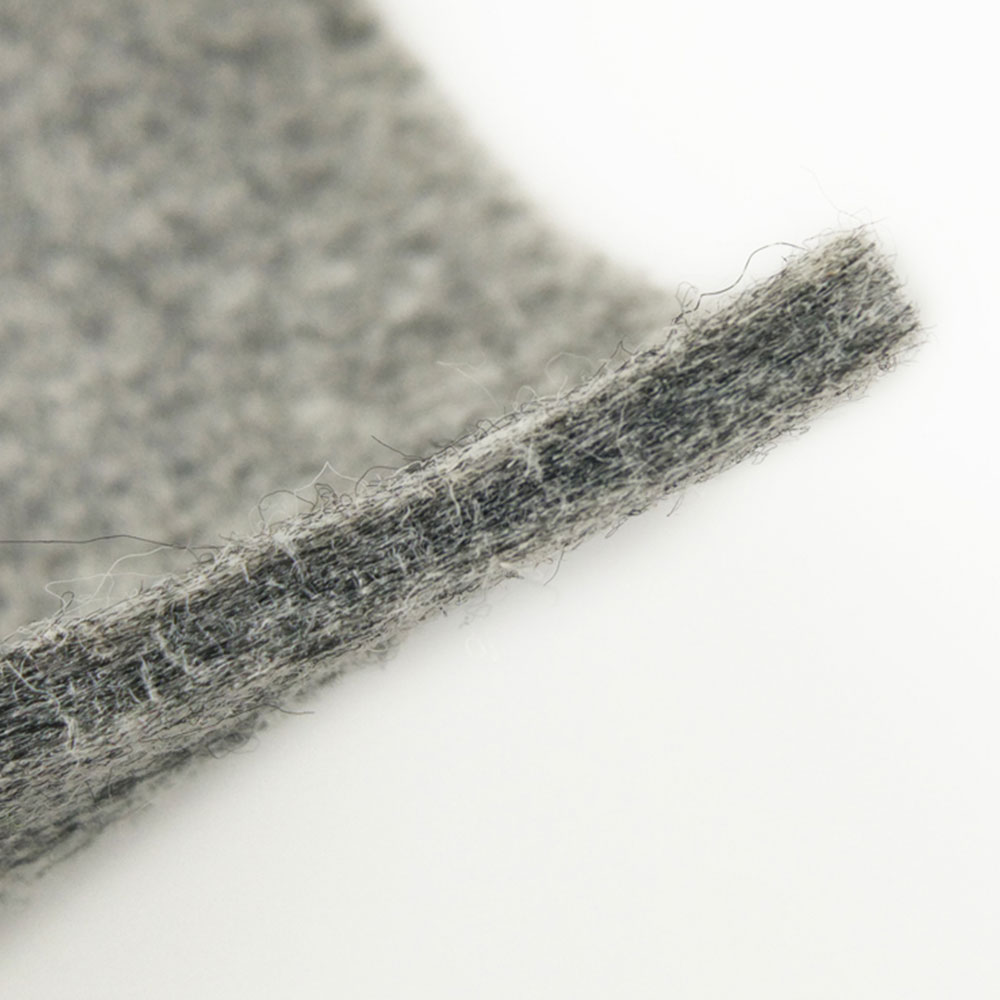
Placing synthetic rubber directly on finished hardwood is a significant risk. Most modern hardwood floors feature oil-based or water-based polyurethane finishes. Thermoplastic materials contain chemical compounds that can interact with these finishes. This interaction leads to plasticizer migration. The chemicals transfer from the rug backing into the floor finish. This process causes a permanent ambering or dulling of the polyurethane. You cannot clean this stain away; it requires sanding and refinishing the floor.
We have seen countless ruined hardwood floors caused by cheap rubber mats. The damage often goes unnoticed for months because it happens directly beneath the rug. By the time you lift the rug to clean, the chemical burn is already permanent. Never place these backings directly on expensive hardwood.
Luxury Vinyl Plank is highly popular, but it shares chemical similarities with synthetic rug backings. When you place thermoplastic rubber over vinyl flooring, a chemical reaction can occur between the two materials. The backing can react with the protective wear layer of the LVP. Over time, this causes yellow discoloration or even chemical bonding, where the rug backing literally fuses to the floor surface. Always check your LVP manufacturer's warranty regarding rubber mats.
Some newer LVP products feature enhanced polyurethane or aluminum oxide coatings that offer better resistance to chemical migration. However, the risk remains high. We advise treating LVP with the same caution as hardwood when selecting rug backings.
You need non-porous, chemically inert surfaces for safe application. Ceramic tile, porcelain tile, and polished concrete are ideal use cases. These materials do not react chemically with synthetic rubbers. Laminate flooring, which features a hard melamine wear layer, is also generally safe. In these zones, the backing provides excellent slip resistance without the risk of permanent chemical staining or finish degradation.
Even in safe zones, you must ensure the floor is completely dry before placing the rug. Trapped moisture beneath the rubber can lead to mold growth on the grout lines of tile floors or cause the edges of laminate planks to swell.
Rugs with integrated backing offer undeniable convenience. You purchase one item, unroll it, and you are done. The upfront cost is generally lower than buying a separate rug and pad. Additionally, these rugs feature a very low-profile design. This thinness is crucial for entryways where thick rugs would block door clearances. They are practical, utilitarian solutions for specific areas of the home.
These integrated solutions work best in high-traffic, high-moisture areas where frequent washing is mandatory. Bathrooms, kitchen sink stations, and mudrooms are the primary domains for this product category. The convenience of throwing the entire unit into the washing machine outweighs the shorter overall lifespan.
For high-end rugs or sensitive flooring, decoupling the grip from the textile is the superior strategy. Using a dedicated Anti-Slip Carpet Underlay protects your floor. Premium underlays use natural rubber or dense felt, which are safe for polyurethane finishes. Decoupling allows you to use any rug material you prefer—wool, cotton, or silk. Furthermore, a separate pad provides superior airflow beneath the rug, preventing trapped moisture, and offers significantly better cushioning for foot traffic.
When you use a separate underlay, you create a protective barrier. The felt or natural rubber grips the floor safely, while the textured upper surface of the pad grips the rough primary backing of the rug. This two-stage grip system is far more effective for large area rugs in living rooms and bedrooms.
Consider the replacement cycle. With an integrated backing, the rubber often fails, melts, or loses its grip long before the face fibers wear out. When the backing fails, you must throw away the entire rug. Conversely, a high-quality unbacked rug paired with a premium underlay represents a better long-term investment. If the pad eventually loses its grip, you simply replace the inexpensive pad and keep your beautiful rug.
We analyze the lifecycle costs of flooring accessories constantly. While a separate pad requires a higher initial outlay, it extends the life of the rug by reducing friction wear on the primary backing and protects the floor from costly damage. The long-term math heavily favors decoupling.
Not all thermoplastic materials are manufactured to the same standard. Low-quality blends contain cheap clay or calcium carbonate fillers. Manufacturers use these fillers to reduce production costs. Unfortunately, these fillers compromise the structural integrity of the polymer. A high-filler backing feels stiff rather than pliable. It will accelerate crumbling, lose its elasticity quickly, and shed a fine white powder onto your floors after just a few washes.
You can perform a simple flex test to check the quality. Bend a corner of the rug backing back on itself. A high-quality polymer will bend smoothly without creasing or showing white stress marks. A low-quality, filler-heavy blend will crease sharply and may even crack under pressure.
If you choose to use these rugs on sensitive floors, you must implement mitigation tactics. Lift the rug frequently to clean the floor beneath it. This prevents dust buildup and allows trapped moisture to evaporate. Monitor the floor closely for early signs of finish dulling or yellowing. Most importantly, verify your floor manufacturer's warranty. Many flooring brands explicitly void warranties if damage is caused by incompatible rubber mats.
We recommend a bi-weekly inspection routine. Lift the corners of the rug and check the floor finish with a flashlight. Look for any changes in the sheen or color of the polyurethane. If you spot any dulling, remove the rug immediately and clean the area with a manufacturer-approved floor cleaner.
Strict maintenance guidelines extend the life of the backing. Always wash these rugs in cold water on a gentle cycle. Avoid bleach and fabric softeners entirely, as these chemicals break down the synthetic polymers. Mandatory air-drying is non-negotiable. Hang the rug over a sturdy drying rack away from direct UV sunlight. Direct sunlight and machine dryers will warp the backing and destroy the heat-fused bond.
If you notice the backing starting to flake or shed small particles, the polymer has begun to degrade. At this point, washing the rug will only accelerate the destruction. You must replace the rug to prevent the degraded rubber particles from scratching your hard floors.
Review your specific flooring manufacturer's warranty documents to confirm if synthetic rubber mats are permitted on your floor finish.
Inspect the target room's flooring material to determine if it falls into the high-risk (hardwood, LVP) or safe zone (tile, concrete) category.
Purchase a dedicated felt or natural rubber underlay for any high-end rugs placed on sensitive polyurethane or vinyl finishes.
Establish a bi-weekly routine to lift and clean beneath any rubber-backed mats to prevent dust accumulation and moisture trapping.
A: No, TPR can cause chemical reactions with polyurethane finishes, leading to permanent discoloration. Natural rubber or felt pads are recommended instead.
A: Not exactly. Traditional rubber-backed rugs often use natural vulcanized rubber or cheap latex adhesives that crumble over time. TPR is a synthetic thermoplastic hybrid that is heat-fused directly to the fibers, offering superior durability and washability without shedding white powder.
A: Yes, but only on cold, gentle cycles. High heat from washing or drying will melt or degrade the thermoplastic material.
A: TPR (Thermoplastic Rubber) and TPE (Thermoplastic Elastomer) are highly similar; TPR is technically a subset of TPE that mimics vulcanized rubber more closely, offering slightly better grip but similar chemical properties.
A: TPR is highly resistant to the drying and crumbling associated with natural latex, though poor maintenance or heat exposure can eventually cause it to crack.
A: TPR is generally considered non-toxic and free of PVC, phthalates, and BPA, making it a low-VOC option with minimal off-gassing compared to traditional synthetic rubbers.
A: With proper care (no high heat, gentle washing), a high-quality TPR backing can last 3 to 5 years before its grip performance begins to noticeably degrade.