- All
- Product Name
- Product Keyword
- Product Model
- Product Summary
- Product Description
- Multi Field Search
 English
Views: 0 Author: Site Editor Publish Time: 2026-08-06 Origin: Site


The primary function of an entryway system is asset protection. You need to prevent abrasive dirt, moisture, and chemical de-icers from degrading interior flooring. The market is saturated with disposable options that suffer from rapid UV degradation, structural crushing, mold retention, or dangerous backing failure within a single season. Identifying the optimal door mat requires moving past aesthetic claims. You must evaluate products based on material science, climate suitability, and the specific mechanics of soil and moisture removal. We see too many homeowners replacing cheap mats every spring because the backing cracked or the fibers flattened into a useless pancake. A proper entry system acts as the first line of defense for your hardwood or luxury vinyl plank floors. By understanding the technical differences between scraper and absorbent materials, you can build a barrier that actually works.
The Two-Mat System is Mandatory: Optimal floor protection requires an exterior scraper mat for heavy particulate removal and an interior absorbent mat for moisture retention.
Material Dictates Lifespan: Natural fibers like coir degrade rapidly in uncovered, wet environments, whereas molded polypropylene or heavy-duty SBR/nitrile rubber offer "Buy It For Life" (BIFL) durability.
Backing Compatibility is Critical: Incompatible mat backings (like cheap PVC or certain reclaimed rubbers) can cause permanent chemical discoloration (plasticizer migration) on luxury vinyl plank (LVP) or hardwood floors.
Clearance and Safety: A high-performance mat must balance aggressive scraping textures with a low enough profile to clear door sweeps and prevent tripping hazards.
A proper entry system tackles three distinct jobs efficiently. First, it must scrape solids from footwear. This requires rigid, aggressive textures that physically dislodge packed mud, gravel, and snow from shoe treads. Second, it must wipe and absorb liquids. This function relies on high-surface-area fibers that pull moisture away from the shoe and hold it within the mat structure. Third, it must contain the collected debris. If a mat scrapes dirt but allows it to roll off the edges onto the floor, it fails its primary objective.
Scraping: Physical removal of heavy particulates using rigid surface profiles.
Absorbing: Capillary action pulling moisture from footwear into the mat fibers.
Containing: Utilizing raised borders or deep channels to hold debris until maintenance occurs.
Pile density and material memory determine how well a mat resists flattening under heavy foot traffic. When fibers crush, the mat loses its ability to scrape and store dirt. High-density synthetic fibers, particularly those reinforced with rubber nubs, maintain their vertical orientation. We look for materials that spring back immediately after compression. A flattened mat simply becomes a ramp for dirt to travel directly into your home.
The backing material dictates slip resistance, temperature stability, and floor compatibility. You need a backing that grips the floor firmly without causing chemical damage.
Backing Material | Slip Resistance | Temperature Stability | Floor Compatibility |
|---|---|---|---|
Nitrile Rubber | Excellent | Remains flexible in freezing temperatures | Safe for most hard surfaces, including LVP |
SBR Rubber | Very Good | Good, but can stiffen in extreme cold | Generally safe, but verify with flooring manufacturer |
PVC (Vinyl) | Poor to Fair | Cracks in cold weather, softens in heat | High risk of plasticizer migration on LVP and hardwood |
Raised profiles allow dirt and water to settle below shoe level. When you step on a bi-level mat, your shoe rests on the upper ridges while the scraped debris falls into the lower channels. This prevents subsequent visitors from picking up the dirt you just deposited and tracking it inside. Manufacturers engineer these channels to hold significant volumes of water and sand, keeping the walking surface relatively clean and dry.
Modern manufacturing allows for the integration of performance-grade scrapers into decorative patterns. You no longer have to choose between an industrial-looking slab of rubber and a functional entry system. Designs incorporating molded borders and geometric patterns maintain the necessary scraping channels while complementing residential architecture. The key is ensuring the decorative elements do not compromise the depth of the containment zones.
Coir, derived from coconut husks, provides aggressive scraping action. The stiff bristles effectively dig into deep shoe treads. However, the implementation of coir dictates its lifespan. Cheap vinyl-backed coir traps water within the fibers. This accelerates rot and leads to rapid degradation. Open-weave coir rope knot designs allow water to drain through, mitigating rot, but they suffer from high shedding rates. Coir is fundamentally unsuitable for uncovered, high-precipitation entryways where it remains constantly saturated.
Aggressive scraping texture for heavy mud removal.
High shedding rate requires frequent sweeping of the surrounding area.
Prone to rot if not allowed to dry completely between rain events.
Best reserved for covered porches or arid climates.
For extreme weather and uncovered locations, 100% molded rubber mats offer unmatched longevity. These mats resist freeze-thaw cycles that destroy lesser materials. They do not absorb water, meaning they will not freeze into a solid block of ice during winter storms. Maintenance involves a simple hose-down. The trade-off lies in aesthetics and odor. Solid rubber mats carry a distinct smell initially, making them unsuitable for enclosed vestibules until they have fully off-gassed outdoors. They represent the most reliable Front Door Scraper Mats available.
PVC loop mats, often called spaghetti mats, provide excellent mud removal. The extruded vinyl loops scrape aggressively and allow water to drain through the open structure. However, these mats present environmental and longevity concerns. Over time, UV exposure causes the vinyl to become brittle. As the loops break, the mat sheds microplastics into the surrounding environment. While effective in the short term, they require replacement more frequently than molded rubber alternatives.
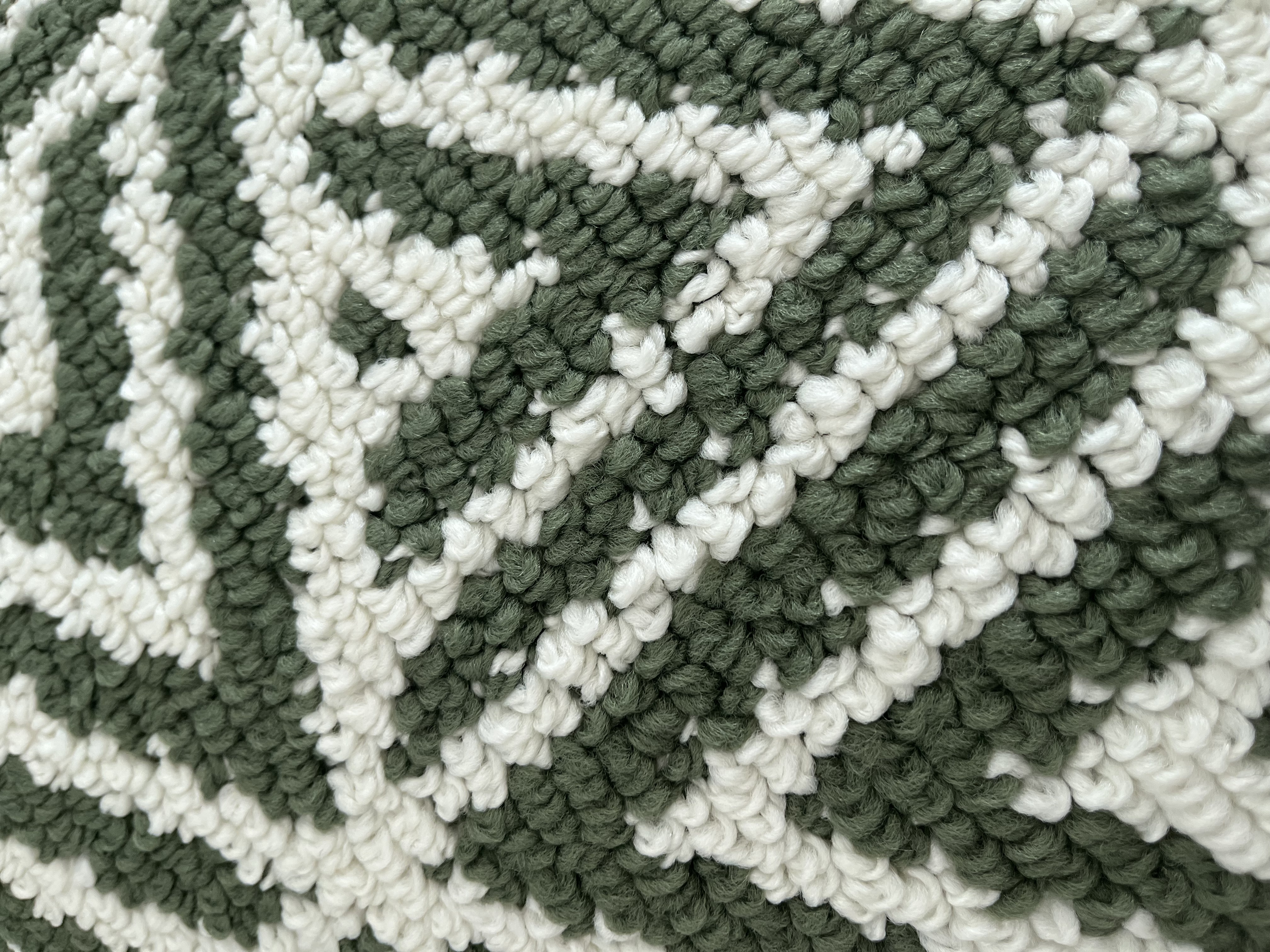
Synthetic fibers like polypropylene excel in interior applications because they do not absorb water into the fiber shaft itself. Instead, they trap moisture between the fibers. This allows the mat to dry rapidly through evaporation, preventing mold and mildew growth. Commercial-grade variants utilize crush-resistant nubs and reinforced fabric borders to contain significant amounts of snowmelt and rain. These materials form the backbone of highly effective Absorbent Entrance Mats.
Rapid drying times compared to natural fibers.
High resistance to mold, mildew, and rot.
Excellent crush resistance when engineered with reinforced nubs.
Effective containment of liquid when equipped with a dam border.
When rapid drying of footwear is the primary goal, microfiber and cotton blends offer superior performance. These ultra-absorbent materials act like a towel for your shoes. Many of these systems are machine washable, providing a significant convenience factor. However, this washability comes with a trade-off in structural longevity and scraping capability. They lack the rigidity to remove heavy solids and will wear out faster under heavy traffic compared to polypropylene.
For those prioritizing natural materials indoors, tightly woven wool or heavy cotton provide viable alternatives. These materials offer good absorbency and a premium feel. The downside involves increased maintenance. Natural fibers dry much slower than synthetics, increasing the risk of mildew if left saturated. They also require specialized cleaning methods, as aggressive washing can cause shrinkage or fiber degradation.
Purchasing disposable PVC-backed mats every season creates a false sense of economy. These budget options fail predictably. The PVC backing cracks under temperature fluctuations, the low-density fibers crush flat within weeks, and the dyes fade rapidly under UV exposure. You end up replacing the mat repeatedly, spending more over a five-year period than you would on a single premium product. Furthermore, a failed mat provides zero floor protection, potentially leading to expensive repairs for your interior surfaces.
Investing in premium SBR rubber or high-density polypropylene systems yields long-term savings. These mats perform optimally for years, resisting crush, fading, and backing failure. The initial outlay is higher, but the cost-per-year drops significantly when the mat lasts a decade. You also gain the peace of mind knowing your interior floors remain protected from abrasive damage and moisture intrusion.
When evaluating durability, look at commercial foot-traffic ratings. A mat rated for medium or heavy commercial use will easily withstand the demands of a busy residential entryway. Manufacturers confident in their materials will offer substantial warranties against crushing and backing failure. A strong warranty serves as a reliable indicator of the mat's expected lifespan in a real-world environment.
In regions experiencing heavy rain or snow, your exterior mat must utilize non-porous materials. You need deep water dams around the perimeter to hold melting snow until it evaporates or is poured off. The backing must consist of freeze-resistant rubber, like nitrile, that will not crack or become dangerously slick when temperatures drop below freezing.
Require deep containment borders to hold liquid.
Demand freeze-resistant rubber backings.
Must utilize non-absorbent exterior scraping surfaces.
In hot, dry climates, UV degradation is the primary enemy. Focus on UV-stabilized materials that resist color fading and dry rot. Moisture absorption is less critical here. Instead, prioritize fine-dust trapping capabilities. Dense, bi-level synthetic fibers excel at pulling fine sand and grit from shoe treads before it can scratch interior floors.
The presence of a roof overhang dictates your material choices. Uncovered entryways strictly require rapid-draining, non-absorbent scraper mats. Any absorbent material left exposed to direct rain will become saturated, useless, and prone to rot. Reserve absorbent materials exclusively for covered porches or interior spaces where they can dry effectively between uses.
Plasticizer migration occurs when chemicals from cheap PVC or low-grade rubber backings leach into interior flooring. This causes permanent, irreversible yellowing or staining on luxury vinyl plank, linoleum, and polyurethane-coated hardwoods. To mitigate this risk, you must use colorfast, non-staining nitrile rubber backings. If you are unsure about a mat's compatibility, utilize a specialized rug pad designed specifically for your flooring type as a barrier.
Mats develop unpleasant odors when organic matter, moisture, and poor airflow combine. Dirt trapped in the fibers feeds bacteria and mold when the mat remains wet. Proper material selection prevents this. Synthetics dry faster, denying mold the moisture it needs. Routine maintenance is mandatory. You must pressure wash exterior scrapers regularly to blast out trapped organic debris and allow them to dry completely in the sun.
A high-performance mat is useless if it prevents your door from opening. You must measure the threshold gap accurately. Use a straight edge and a tape measure to determine the exact clearance between the bottom of the door sweep and the floor. Select a mat with a profile lower than this measurement to ensure it does not impede door mechanics or tear the weather stripping over time.
Measure your exact door sweep clearance using a straight edge and a tape measure before selecting a mat profile.
Inspect your current interior flooring material to confirm compatibility with rubber or synthetic backings to prevent chemical staining.
Evaluate your primary regional weather threat to determine if you need deep water dams for snow or UV-stabilized fibers for intense sun.
Establish a routine maintenance schedule that includes pressure washing exterior scrapers and laundering interior absorbents.
A: They offer excellent convenience for interior use where moisture absorption is the main goal. However, they lack the aggressive texture needed for exterior scraping. Use them strictly as the second half of a two-mat system.
A: The best options are 100% molded rubber, SBR, or extruded vinyl. These materials drain water rather than absorbing it, preventing rot and freezing in harsh weather conditions.
A: Allow new rubber mats to off-gas outdoors in the sun for several days. For older mats, clean them regularly with a pressure washer to remove trapped organic matter that causes mildew odors.
A: Yes, options include natural rubber, coir, jute, and heavy cotton. You must be aware of their specific climate limitations, such as high moisture retention and increased shedding rates.
A: Avoid standard PVC or cheap rubber backings. Seek out mats explicitly labeled as safe for LVP, which typically use high-grade nitrile rubber, or place a specialized, non-staining rug pad underneath.
A: Coir offers aggressive scraping but sheds heavily and retains moisture, leading to rot in wet areas. Rubber provides superior longevity, weather resistance, and requires significantly less maintenance.